How to Prepare for a Vet Visit (and Get More From It)
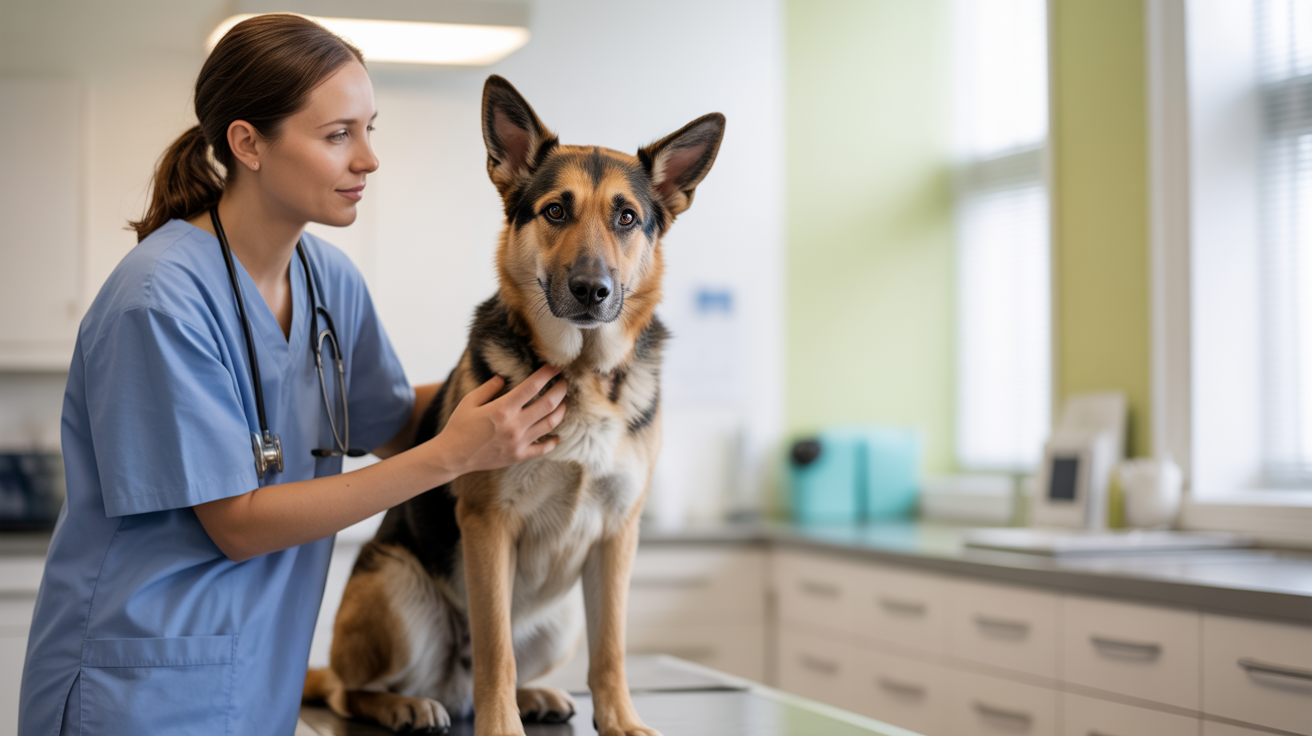
Most vet appointments are short, and the clock is the enemy of a good one. The way to prepare for a vet visit so you actually get what you came for: bring your pet's records and current medications, write down a clear timeline of whatever prompted the visit, and come in with your questions already listed. Do that and a rushed ten-minute appointment turns into a productive conversation. Show up empty-handed and trying to remember when the limping started, and half the visit evaporates into guesswork.
This is true for a routine checkup and doubly true when something's wrong. The vet can only work with the information you bring. The better organized you are walking in, the better the care your pet walks out with.
What to bring
A short checklist covers most visits:
Medical records — especially for a first visit with a new vet, or an emergency clinic that's never seen your pet. Vaccination history, past diagnoses, previous test results, and any records from a breeder, shelter, or prior vet. If your regular vet has the file, a new clinic may not — bringing it (or having it accessible) saves everyone time.
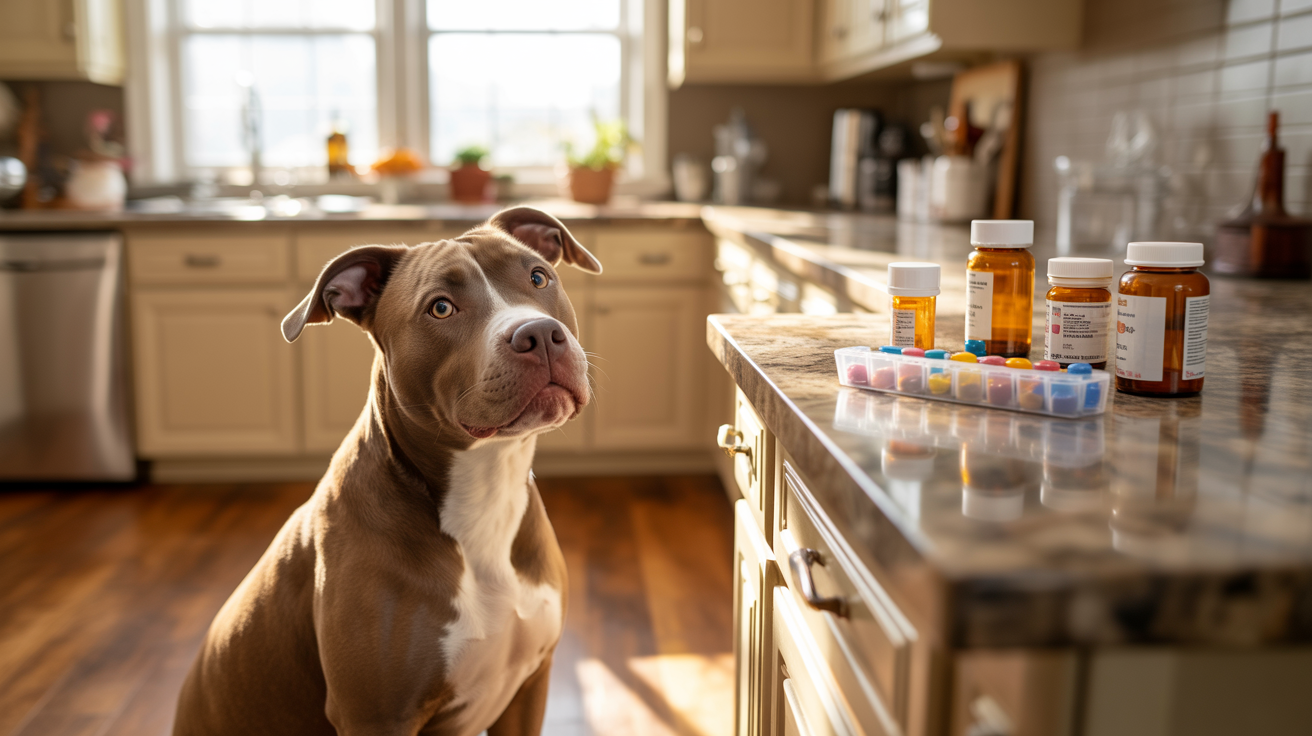
A current medication list — every medication and supplement, with doses and how often. "Some kind of small white pill, twice a day, I think" is not something a vet can safely work with. If you keep a running medication list, this is already done; if not, write it out before you go, or photograph the bottles.
A symptom timeline, if the visit is about a problem — more on this below, because it's the part that helps most and gets skipped most.
Your written questions — it's genuinely easy to forget what you meant to ask once you're in the room with a squirming animal and a vet talking. A list on your phone fixes that.
The practical stuff — a secure carrier or a leash and harness, and a recent stool sample if your vet asked for one or the visit is about digestive trouble. For an anxious pet, bringing something that smells like home can help.
Write down the symptom timeline before you go
This is the highest-value thing you can prepare, and it's the thing most owners wing. When the visit is about a problem — limping, vomiting, not eating, drinking more than usual, a lump, a behavior change — your vet's first questions will be when did it start, how often, and has it changed? "He's just been off lately" sends the vet hunting blind. A timeline points them straight at the likely causes.
A useful timeline answers:
- When did it start? A rough date beats "a while ago."
- How often, and is it getting better, worse, or holding steady? Daily? After meals? Only in the mornings?
- What changed around the same time? New food, a new environment, a missed or added medication, a stressful event.
- What have you already tried, if anything, and did it help?
- Appetite, water intake, energy, and bathroom habits — the basics that shift when something's wrong, even when the owner doesn't connect them to the main complaint.
And use your phone's camera. Some of the most useful things to show a vet are intermittent — a limp that comes and goes, an odd gait, a tremor, a seizure, labored breathing, a strange noise. These often vanish in the exam room, and a ten-second video captures what your description can't. Film it when it happens; you'll be glad you did.
If you've been keeping any kind of log — weight, symptoms, medications — this timeline is largely already assembled. A vet can do a lot with "her weight's dropped from this to this over three months and the drinking picked up around week six" that they simply can't do with "she seems thinner and maybe drinks a lot?" This is where the day-to-day record-keeping pays off. KibbleTrack keeps the weight history, medication list, and symptom notes in one place you can pull up at the desk, but a notebook or a phone note does the same work — the point is having it in hand, not improvising from memory.
Bring your weight and health history
Even for a routine checkup, a couple of data points make the visit sharper.
Weight history. A single weight is a snapshot; a trend tells a story. If you weigh your pet at home, a vet seeing a slow gain or loss over months has something to act on that a one-day number can't give them. It's often the first hint of a problem worth investigating.
The boring baseline. What's normal for your pet — usual appetite, typical energy, normal water intake — is the reference point that makes "abnormal" visible. You're the one who knows it, and noting when it shifts is information no exam can recover after the fact.
Have your questions ready
Walking out wishing you'd asked something is the most common vet-visit regret. Write the questions down beforehand and ask them while you've got the vet's attention. Depending on the visit, useful ones include:
- Is my pet's weight where it should be, and if not, what should I do?
- Are any vaccinations or preventatives due now or soon?
- For any new medication: how and when do I give it, with or without food, and what side effects should I watch for?
- What symptoms would mean I should bring my pet back — and what would mean don't wait?
- When should the next visit be?
And don't leave confused. If you don't understand a diagnosis, a medication instruction, or a line on the bill, ask the vet to explain it. There's no such thing as a silly question when it's your pet's health — better to ask in the room than to puzzle over it in the parking lot.
After the visit: close the loop
Preparation pays off again on the way out. Before you leave, make sure you understand any new medications — dose, timing, and how to give them — and any follow-up instructions. Then, while it's fresh:
- Update your records with whatever happened: new diagnoses, treatments, vaccinations given, and crucially, when the next ones are due.
- Set reminders for the next appointment, any new medication schedule, and refills before they run out.
- Note any "watch for this" instructions so you're not relying on memory in two weeks.
A vaccination given today is also a booster due in a year — capturing that date now is how you avoid scrambling later. The visit isn't really done until the records and reminders are updated.
The takeaway
To prepare for a vet visit and get more from it: bring your pet's records and a current medication list, write down a clear symptom timeline with dates (and video anything intermittent), bring your weight and health history, and walk in with your questions already listed. Then close the loop afterward by updating your records and setting reminders for what's next. The appointment is short; your preparation is what makes it count. The owner who walks in organized doesn't just have a smoother visit — they get their pet better care, because the vet has something real to work with instead of "he's just seemed off lately."