The Reptile Husbandry Log: What to Track and Why
A reptile husbandry log is a running record of your animal's environment and condition — temperature, humidity, feeding, defecation, shedding, weight, and behavior — kept consistently enough that you can spot a trend before it becomes a problem. If you keep a bearded dragon, ball python, leopard gecko, or any other reptile, this is the single most useful habit you can build, and the best keepers already do it.
Here's why it matters more for reptiles than for almost any other pet. A dog's health is mostly about the dog. A reptile's health is mostly about its enclosure. These are ectotherms — they can't regulate their own body temperature, run their metabolism, digest their food, or shed properly without the right heat, light, and humidity. When a reptile gets sick, the cause is very often something that drifted in the environment weeks earlier: a basking bulb quietly losing output, humidity creeping too low, a thermostat that's off. The husbandry log is how you catch that drift, because the numbers change before the animal visibly does. And like most exotics, reptiles instinctively mask illness — by the time a sick reptile looks sick, it's often well into trouble. The log sees it first.
A note up front: this article is about what to track and how, not what your numbers should be. The correct temperatures, humidity range, and diet vary enormously by species — a ball python and a bearded dragon want almost opposite environments — so the actual setpoints belong on a species-specific care sheet and with a reptile vet, not in a general guide. What follows works for any reptile; the targets you fill in yourself.
What to track
The fields that experienced keepers and reptile logbooks consistently include:
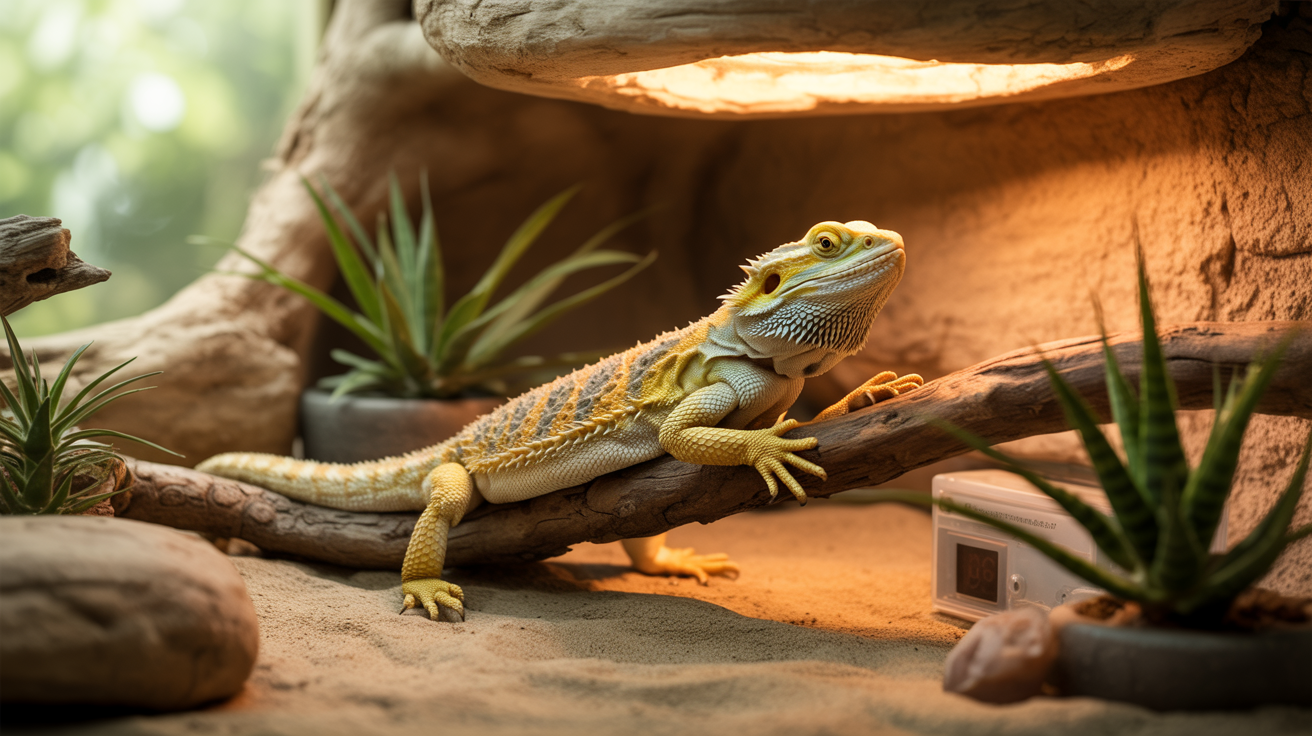
Temperature — both ends of the gradient. A reptile enclosure isn't one temperature; it's a gradient, with a warm basking zone and a cooler side so the animal can thermoregulate by moving between them. Log both. The basking surface temperature is best read with an infrared temperature gun pointed at the spot the animal actually basks; ambient and cool-side temps can be tracked with digital probe thermometers. The cheap stick-on dial gauges are notoriously inaccurate — worth knowing if your readings seem strange. Log the values, not just "seems fine."
Humidity. Read with a hygrometer, ideally a digital one with the probe where the animal spends its time. Humidity is the single biggest driver of whether a shed comes off cleanly, and it swings with the seasons, your home heating, and how recently you misted — which is exactly why a logged trend beats a glance.
Feeding. What you offered, how much, and — crucially — whether the animal actually ate it. Note feeder type and quantity for insectivores and the prey size and date for snakes. Appetite is one of the earliest and clearest health signals a reptile gives you, and you can only see a change in it against a record of normal.
Defecation. Unglamorous, genuinely important. When your reptile last passed waste, and whether it looked normal, matters a lot — especially for snakes on infrequent feeding schedules, where a missed bowel movement can signal anything from low temperatures slowing digestion to an impaction. Log the date and anything unusual.
Shedding. Record each shed: the date, whether it came off in one piece or ragged patches, and whether any stuck (toes, tail tip, and around the eyes are the spots to check). Note the humidity during the shed and whether you helped with a soak or humid hide. Shed quality is a direct readout on husbandry — ragged or stuck sheds usually point to humidity being off — and shed frequency tracks growth and metabolism.
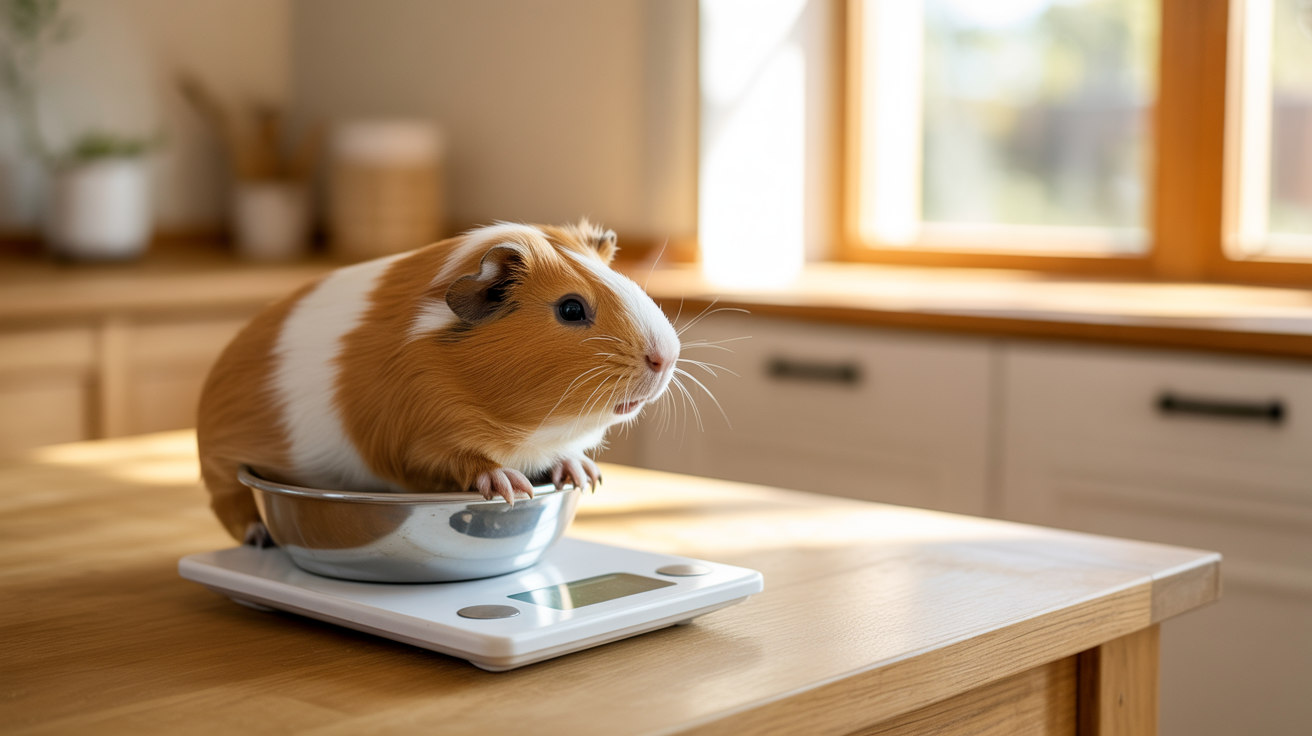
Weight (and sometimes length). Weigh on a gram scale on a regular schedule. As with other exotics, the trend is what matters, not a single number, and a slow decline is something you'll catch in the log long before you'd catch it by eye. Pairing weight with shed frequency is especially informative over time.
Behavior and observations. A free-text field for everything that doesn't fit a column: basking more or less than usual, hiding constantly, unusual aggression or lethargy, changes after you adjusted something. These notes are often what connect a symptom to its cause later.
Maintenance and vet events. When you changed a bulb (UVB output fades long before the bulb dies, so the date matters), cleaned the enclosure, replaced equipment, or visited the vet. A new bulb or a moved thermostat is exactly the kind of change that explains a shift two weeks later.
The patterns that actually flag trouble
Individual entries are useful; the patterns across them are where the log earns its keep. A few that experienced keepers watch for:
Appetite dropping off. A reptile that goes off food when nothing in the routine changed is one of the most common early flags. The first thing to check is the log itself: did the basking temperature drift down? Many "my dragon won't eat" problems trace straight back to a heat or light source that's underperforming, because a reptile that can't get warm enough can't digest. The log lets you check that before assuming the worst.
Shed quality declining. A run of clean sheds followed by ragged or stuck ones, especially with a logged dip in humidity, points you at a specific, fixable cause rather than a vague "something's wrong." Stuck shed around the eyes or constricting a toe or tail tip needs attention before it cuts off circulation.
Weight sliding while everything else looks normal. The classic hidden problem. A steady downward weight trend with no obvious behavioral change is precisely what the masking instinct conceals and the scale reveals.
A change that lines up with a husbandry tweak. This is the log's superpower. When you can look back and see that the appetite dropped the same week you moved the thermostat or the shed went bad when the humidity fell, you've turned a mystery into a diagnosis. Reviewing the log every few weeks — not just filling it in — is what surfaces these connections.
The general principle: with reptiles, "off food," "bad shed," "losing weight," and "acting different" almost always have an environmental cause hiding in the numbers. The log is where you find it.
How to keep one (without it becoming a chore)
The best logging system is the one you'll actually maintain. The options, roughly in order of effort:
A printed logbook or notebook by the enclosure is simple and reliable, and plenty of keepers swear by them. A spreadsheet does the same and lets you graph weight and spot trends at a glance. A tracking app — KibbleTrack among them — will log feeding, weight, and observations, set reminders for recurring tasks, and keep a separate record for each animal, which matters the moment you have more than one reptile with different needs under one roof. Whatever you pick, the rules are the same: log consistently, date everything, and don't trust your memory to reconstruct it later.
A few things make it sustainable. Log the routine stuff (temps, humidity, feeding) at the moments you're already at the enclosure, so it's not a separate task. Keep the free-text observations short. And set reminders for the intermittent things that are easy to forget — the periodic weigh-in, the UVB bulb replacement that's due on a schedule rather than when it visibly fails.
If you have multiple reptiles, keep their logs genuinely separate. The risk isn't losing data, it's blurring it — attributing one animal's shed or feeding to another defeats the entire point of tracking.
When the log says "see a vet"
A husbandry log is a monitoring tool, not a diagnosis. Its job is to tell you that something has changed and give you the data to hand someone who can tell you what. Some signs warrant a reptile or exotics vet promptly rather than another week of observation: a reptile that refuses food for an extended period with no seasonal or temperature explanation, noticeable weight loss, repeated bad or stuck sheds, labored or open-mouth breathing, swelling, or any sudden change in behavior or alertness. In an animal built to hide illness, obvious symptoms often mean the problem is already advanced.
Two practical notes. First, not every vet treats reptiles — finding a reptile or exotics vet before you need one is worth doing now. Second, your log is genuinely valuable in that exam room: handing a vet weeks of temperature, humidity, feeding, and weight data points them toward specific causes — a humidity problem, a nutritional gap, a heat deficit — instead of starting a general search from zero. That's the difference between "he seems off lately" and a record that does half the diagnostic work for them.
The takeaway
For a reptile, health follows husbandry, so the log worth keeping records both: the environment (temperature at both ends, humidity) and the animal (feeding, defecation, shedding, weight, behavior), dated and reviewed regularly. Fill in the right targets for your species from a proper care sheet and your vet — this guide is the what to track, not the what the numbers should be. Do it consistently and the payoff is real: most reptile health problems announce themselves in the log as a drifting number or a broken pattern well before they announce themselves in a sick animal, and catching them there is the whole game.